 The Daily
 Home›All Topics›Prostate health foods
Prostate health foods: what the evidence actually supports
A handful of foods come up again and again in this research. Here's what they are, and what the evidence for each one actually looks like.
The short version
- Tomatoes, cruciferous vegetables, fatty fish, and pumpkin seeds are the foods most consistently discussed in this context.
- Diet is one contributing factor among several — genetics and age matter too, and diet doesn't override either.
- Some research suggests moderating processed red meat and very high dairy intake, though the evidence is mixed rather than settled.
- Food comes first, a supplement is what might round it out — not the other way around.
Tomatoes and lycopene
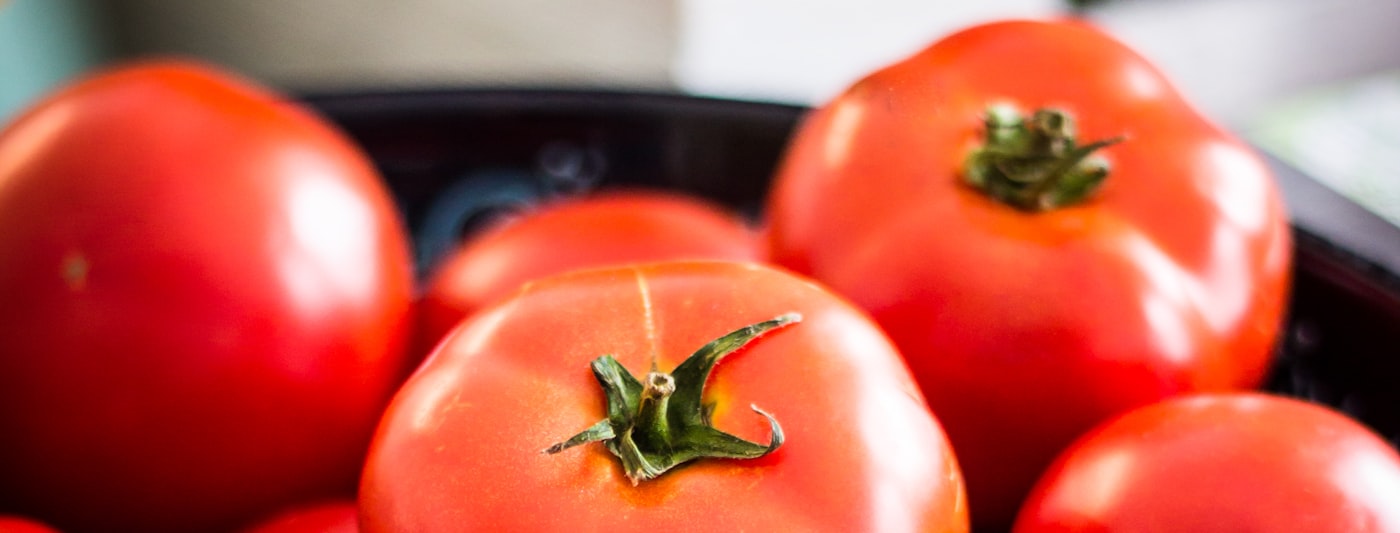
Tomatoes are the food most associated with this topic, largely because of lycopene, the compound responsible for their red color. Cooked and processed tomato products (sauce, paste) tend to have more bioavailable lycopene than raw tomatoes, since cooking breaks down the plant cells that hold it. Pairing tomatoes with a small amount of fat — olive oil, for instance — is also associated with better absorption.
Cruciferous vegetables
Broccoli, cauliflower, Brussels sprouts, and cabbage contain sulforaphane and related compounds that have been studied for a general supportive role in this area. As with most single-compound research, the effect of eating the whole vegetable regularly is more consistently discussed than any isolated supplement version of the compound.
Fatty fish and omega-3s
Salmon, sardines, and mackerel are the most commonly cited sources. Omega-3 fatty acids are more consistently linked to general cardiovascular and inflammatory support than to any single-organ claim, which is worth knowing before treating this as a narrower benefit than the research actually supports.
Pumpkin seeds and zinc
Pumpkin seeds are a commonly cited source of zinc, a mineral with an established role in normal male reproductive health. Worth flagging directly: if you've read our ProstaVive review, that formula doesn't contain pumpkin seed or saw palmetto, which surprises some buyers given how associated both are with this category. Our saw palmetto vs Tongkat Ali guide covers that distinction if you want the full picture on which ingredient does what.
Green tea
One of the more studied beverages in general wellness research, including some attention in this specific context. As with the foods above, the research is about a dietary pattern over time, not a single cup producing a noticeable effect.
The honest framing: no single food or meal changes anything on its own. What the research actually supports is a general pattern — more of these foods, regularly, over time — not a specific meal plan that promises a fixed outcome.
What research suggests limiting
Some research links higher intake of processed red meat, and separately very high dairy or calcium intake, to prostate concerns — though the evidence here is genuinely mixed and the size of any effect is debated among researchers. The reasonable takeaway is moderation, not elimination, and it's a conversation worth having with a doctor rather than a decision to make from one article.
The label checklist
One page on reading a men's supplement label properly: what a "proprietary blend" is hiding, which ingredients are doing real work, and the three questions worth asking before you spend anything. Free, and there's nothing to sign up for.
Open the checklistWhere a supplement might round this out
Food comes first — no ingredient in a capsule replaces a dietary pattern maintained over years. Where a formula might genuinely round things out is when it's inconvenient to eat enough of a specific food group consistently. Our guide to evaluating prostate supplements covers how to judge one honestly if you're considering that route alongside, not instead of, the foods above.
The short version, again
Tomatoes, cruciferous vegetables, fatty fish, pumpkin seeds, and green tea are the foods most consistently discussed for this area, as part of a general pattern rather than a single meal. Moderating processed red meat and very high dairy intake is the reasonable takeaway from mixed evidence, and a supplement — if you choose one — sits alongside this, not instead of it.
General information, not medical advice. Dietary supplements are not intended to diagnose, treat, cure or prevent any disease, and this article does not diagnose or treat any condition. Talk to a doctor about dietary changes relevant to your own health history.